Source 240 260c dust filter bag for Cement, Metal, and Wood
Compare 28 listings for the 240 260c dust filter bag from Shanghai suppliers. Buyers can evaluate materials like polyester and glassfiber, filtration grades, and customization options for industrial applications.
Key considerations
Products List


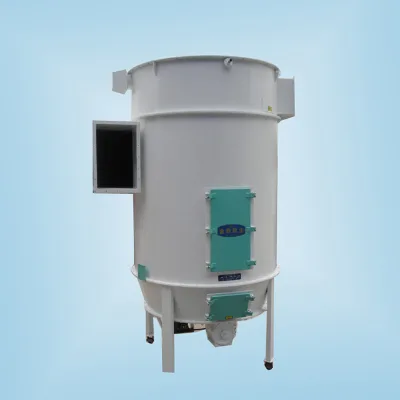
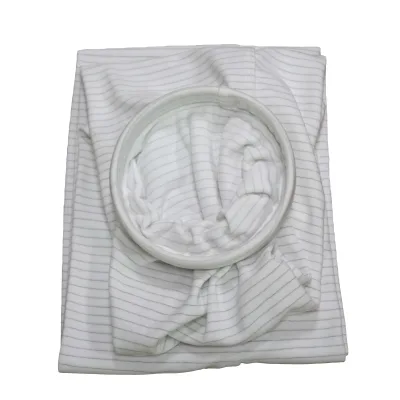


Comprehensive Sourcing Guide
240 260c Dust Filter Bag Sourcing Guide
Selecting the correct filtration media for industrial dust collection systems requires a precise understanding of material properties, operational environments, and supplier capabilities. The term "240 260c" typically refers to specific weight ranges or model designations within the polyester felt fabric category, which is a dominant material in industrial air filtration. Buyers must navigate a market where specifications such as gram weight, filtration grade, and treatment methods vary significantly between listings. This guide provides a structured approach to evaluating these products, ensuring that procurement decisions are based on verified technical data rather than generic marketing claims.
The sourcing process for dust filter bags involves balancing cost efficiency with long-term performance reliability. Observed market data indicates a wide range in pricing and minimum order quantities, reflecting the diversity of manufacturing capabilities and customization options available. By focusing on key verification steps—such as confirming material composition, filtration efficiency, and environmental resistance—procurement teams can mitigate risks associated with premature filter failure or non-compliance with safety standards. This guide outlines the critical factors to consider when sourcing high-quality polyester filter bags for demanding industrial applications.
Product Scope and Observed Listing Signals
The industrial dust filter bag market encompasses a variety of materials, with polyester felt fabric emerging as a primary choice for many applications. Listings frequently highlight products made from non-woven polyester fiber, often treated with PTFE membranes to enhance durability and filtration efficiency. These bags are designed for use in both room temperature and high-temperature environments, with some specifications indicating a working temperature range of 80-90 degrees Celsius. The versatility of polyester allows for customization in terms of gram weight, with common ranges observed between 20-260 GSM, catering to different dust load requirements and airflow dynamics.
Observed product attributes reveal a strong emphasis on customization and specific structural designs. Buyers will encounter filter bags with round sectional shapes, which are standard for most pulse jet and reverse air dust collectors. The bottom of the bag is typically round but can be customized to meet specific housing requirements. Additionally, the filtration grade varies from medium filters to ULPA (Ultra-Low Particulate Air) filters, indicating that suppliers offer solutions for both general industrial dust collection and high-purity air filtration needs. Understanding these variations is crucial for matching the filter bag to the specific operational demands of the facility.
Technical Specifications to Verify
When evaluating technical specifications, the medium material and filtration grade are paramount. Buyers should verify whether the filter bag is constructed from glassfiber, acrylic, or polyester, as each material offers distinct advantages in terms of temperature resistance and chemical compatibility. For instance, polyester is widely used for its strength and cost-effectiveness, while glassfiber may be preferred for higher temperature applications. The filtration grade, ranging from medium to ULPA, directly impacts the efficiency of particle capture and the pressure drop across the filter, influencing the overall energy consumption of the dust collection system.
The structure and finish treatment of the filter bag also require careful scrutiny. Many listings specify a needle non-woven polyester fiber structure, which provides a consistent pore size and high dust holding capacity. Finish treatments such as singeing, PTFE coating, and water and oil repellency are critical for extending the life of the filter bag in harsh environments. Buyers must confirm if these treatments are applied uniformly and if they meet the specific requirements of the dust type, such as sticky or abrasive particles. Additionally, the width of the fabric, often observed at 2.1m, should be considered for manufacturing efficiency and waste reduction during bag production.
Compliance and Safety Documentation
Compliance with international standards is a key indicator of supplier reliability and product quality. Many suppliers claim ISO certification, which suggests adherence to quality management systems, but buyers should request specific documentation to verify the scope and validity of these certifications. While specific safety standards for filter bags may vary by region and application, it is essential to ensure that the materials used do not pose health risks during handling or disposal. Buyers should also inquire about any additional certifications related to fire resistance, especially for applications in industries like cement, metal, and wood processing, where fire hazards are a concern.
Safety documentation should also cover the operational limits of the filter bag, including maximum working temperature and pressure ratings. Listings often mention that filter bags are suitable for environments ranging from room temperature to high-temperature conditions, but precise limits must be confirmed. For applications involving flammable dusts, anti-static properties may be required, and buyers should verify if the filter bags are treated to prevent static buildup. Ensuring that all safety and compliance documentation is up-to-date and relevant to the specific application is crucial for maintaining a safe working environment and avoiding regulatory penalties.
Cost Drivers and Commercial Terms
The cost of dust filter bags is influenced by several factors, including material composition, filtration grade, and customization requirements. Observed price ranges in the market are broad, reflecting the diversity of product specifications and supplier pricing strategies. Buyers should be aware that higher filtration grades, such as ULPA, and specialized treatments like PTFE membranes typically command higher prices. Additionally, custom sizes and shapes, such as non-standard bag bottoms or specific lengths and diameters, can increase production costs and lead times.
Commercial terms, including minimum order quantities (MOQ) and packaging, also play a significant role in the total cost of ownership. MOQs can range from small quantities for testing to large volumes for full-scale implementation, with some suppliers offering flexible terms for customized orders. Packaging methods, such as carton or plastic bag packaging, are designed to protect the filter bags during transit, but buyers should confirm that the packaging meets standard export requirements to prevent damage. Understanding these cost drivers and commercial terms allows buyers to negotiate better deals and plan their inventory more effectively.
Supplier Qualification and Quality Control
Supplier qualification is a critical step in ensuring the reliability of the supply chain. Buyers should prioritize suppliers with a proven track record in manufacturing industrial filter bags, particularly those located in major manufacturing hubs like Shanghai, China. Proximity to manufacturing centers can facilitate easier communication and faster response times, but it is essential to verify the supplier's production capabilities and quality control processes. Buyers should request samples to evaluate the physical quality of the filter bags, including the consistency of the needle-punched structure and the uniformity of any applied treatments.
Quality control measures should include rigorous testing of the filter bags for key performance indicators such as air permeability, tensile strength, and filtration efficiency. Buyers should inquire about the supplier's testing protocols and whether they conduct regular audits of their production lines. Additionally, suppliers should provide clear documentation of their production standards, including any internal quality certifications or industry-specific compliance measures. Establishing a strong relationship with a qualified supplier ensures that the filter bags meet the required specifications and perform reliably in the field.
Long-Term Procurement Checks
Long-term procurement success depends on the ability to monitor supplier performance and adapt to changing operational needs. Buyers should establish key performance indicators (KPIs) to track the quality and delivery of filter bags over time, including metrics such as defect rates, on-time delivery, and responsiveness to issues. Regular reviews of supplier performance can help identify potential problems early and allow for corrective actions to be taken. Additionally, buyers should maintain open communication with suppliers to stay informed about new product developments and technological advancements in filtration media.
As operational requirements evolve, buyers may need to adjust their filter bag specifications to address new challenges, such as changes in dust composition or stricter emission regulations. Suppliers with flexible manufacturing capabilities and a commitment to customization can provide the agility needed to meet these changing demands. By maintaining a proactive approach to supplier management and staying informed about industry trends, buyers can ensure that their dust collection systems continue to operate efficiently and cost-effectively over the long term. This strategic approach to procurement helps mitigate risks and maximizes the value of the investment in industrial filtration solutions.
FAQs
What materials are used for 240 260c dust filter bags?
These bags are typically made from polyester or acrylic felt fabric. Some variants utilize glassfiber or microfiber mediums to ensure durability. The specific material depends on the required filtration grade and operating temperature conditions.
Can the filter bag size be customized for specific needs?
Yes, the length and diameter can be customized to fit various equipment. Standard sizes are available, but manufacturers offer regular and custom dimensions. This flexibility allows for precise integration into different industrial dust collection systems.
What certifications do these dust filter bags hold?
Many products carry ISO certification to ensure quality management standards. This certification verifies that the manufacturing processes meet international requirements. Buyers should verify specific documentation when sourcing from different suppliers.
How are these filter bags installed in dust collectors?
The installation method is typically vertical for optimal dust collection efficiency. The bags are designed with a round sectional shape for standard housing types. Both blowback and pulse dust collectors can accommodate these vertical installation configurations.
What is the working temperature range for these bags?
The standard working temperature range is between 80 to 90 degrees Celsius. Some specialized bags are rated for high-temperature environments, while others suit room temperature applications. Always check the specific product rating for your operational conditions.
Which industries commonly use these polyester filter bags?
These bags are widely used in cement, metal, wood, iron, steel, pharmacy, and food industries. They effectively filter dust and air in various heavy manufacturing and processing environments. The application scope covers multiple sectors requiring high-efficiency filtration.
What packaging options are available for shipping these bags?
Standard export packing includes plastic bags inside cartons for protection. Customized packaging options are also available to meet specific logistics requirements. This ensures the bags arrive in good condition regardless of the shipping distance.